



Enrolment options
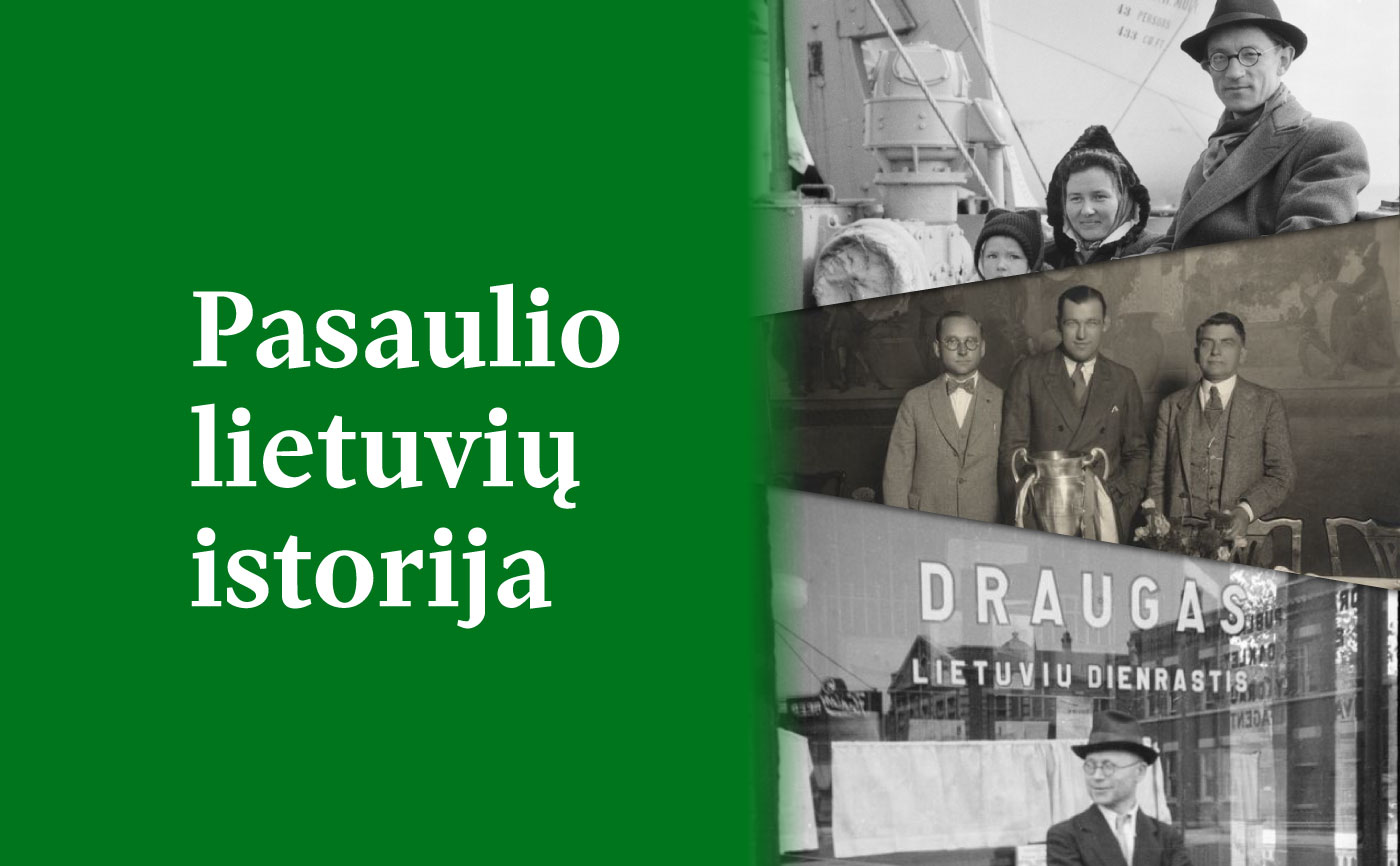
You will learn to:
- Understand global mobility, diasporic identity and recognize Lithuanian migration patterns.
- Recall and interpret changes in Lithuanian geo-cultural spaces, identifying historical Lithuanian traces worldwide.
- Understand major phases and causes of diaspora dispersion and recognize behavioural characteristics.
- Interpret the diaspora’s contribution to Lithuanian independence and its relations with Lithuania before 1940.
- Evaluate ideological groupings, organisational features, and civic capabilities within diaspora communities.
- Understand the role of political emigration from 1940–1990 and navigate current migration and identity dynamics.
Learning topics:
- When, where, and why did Lithuanians and other nations migrate?
- Early migration experiences during and after the Grand Duchy of Lithuania.
- Major emigration wave in late 19th–early 20th c.: destinations, occupations, everyday life.
- The diaspora and Lithuanian statehood restoration; relations 1918–1940.
- Ideological groupings, organisational structures, and civic engagement.
- DP camps in Germany 1945–1951: social, cultural, and political life.
- Outcomes and influence of post-war refugees in Lithuanian political and cultural history.
- Contemporary emigration trends and modern Lithuanian–diaspora relations.
Study period:
from February 6, 2026 to May 22, 2026, Fri 15:00–16:30 (online, Lithuanian language)
- Teacher: Egidijus Balandis
- Teacher: Ingrida Dačiolienė
VOLUME: 120 academic hours (4 ECTS): 45 hours of contact learning and 75 hours of independent study
TARGET GROUP: Lithuanians in diaspora; diaspora policy professionals; teachers; and all interested in history
PRIOR PREPARATION: Not necessary
RECOGNITION OF ACQUIRED COMPETENCES: Certificate or academic transcript (upon participant’s request)
DURATION: 15 weeks, from 2026 02 06 to 2026 05 22
IS BUY OPTION AVAILABLE?: Yes
IS REGISTRATION OPEN?: No